
Dive Sites Malapascua
Monad Shoal
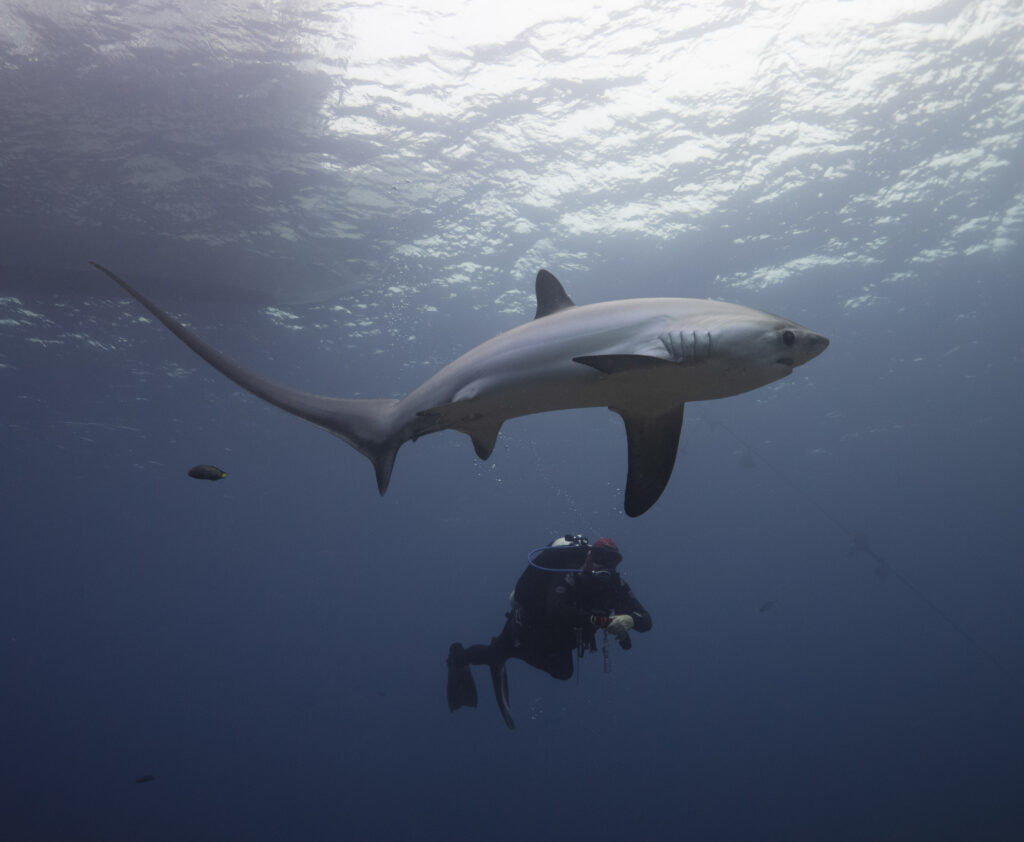
Monad Shoal is the historic dive site that helped make Malapascua famous for thresher shark diving. Known locally as the “sunken island,” it is around 30 minutes by boat from Malapascua.
The top of the shoal lies at approximately 12 to 14 metres. Its slopes and walls descend to 30 metres and beyond. Although Kimud Shoal is now the main thresher shark site, divers may still encounter thresher sharks, devil rays, eagle rays, whitetip reef sharks and other pelagic marine life at Monad Shoal.
Nitrox is recommended for qualified divers.
Kimud Shoal
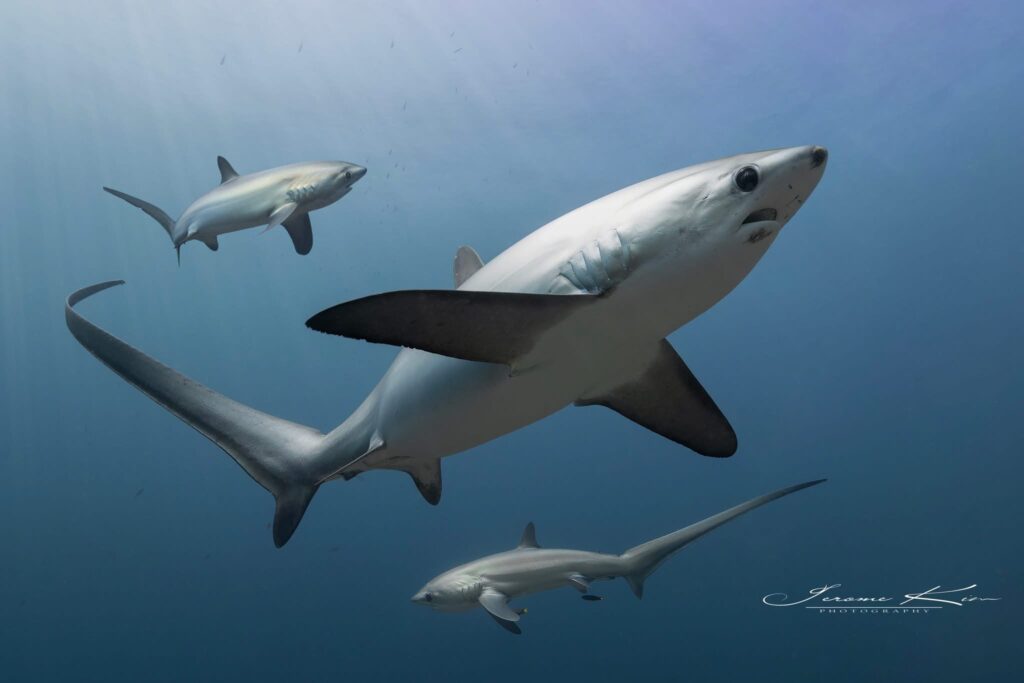
Kimud Shoal is currently the main dive site for thresher shark encounters in Malapascua. Early-morning trips usually leave the dive centre between 5:00 and 6:00 AM.
The top of the shoal begins at approximately 13 to 15 metres. It then slopes towards a deep drop-off reaching more than 200 metres.
Thresher sharks are regularly seen around the shoal, although wildlife sightings can never be guaranteed. Divers may also encounter tuna, devil rays, manta rays and other pelagic species.
The reef is home to colourful fish, nudibranchs, octopuses and squid. Nitrox is recommended for qualified divers.
Deep Rock
Deep Rock is a small underwater pinnacle located around 15 to 20 minutes from Malapascua. The top begins at approximately 14 to 16 metres.
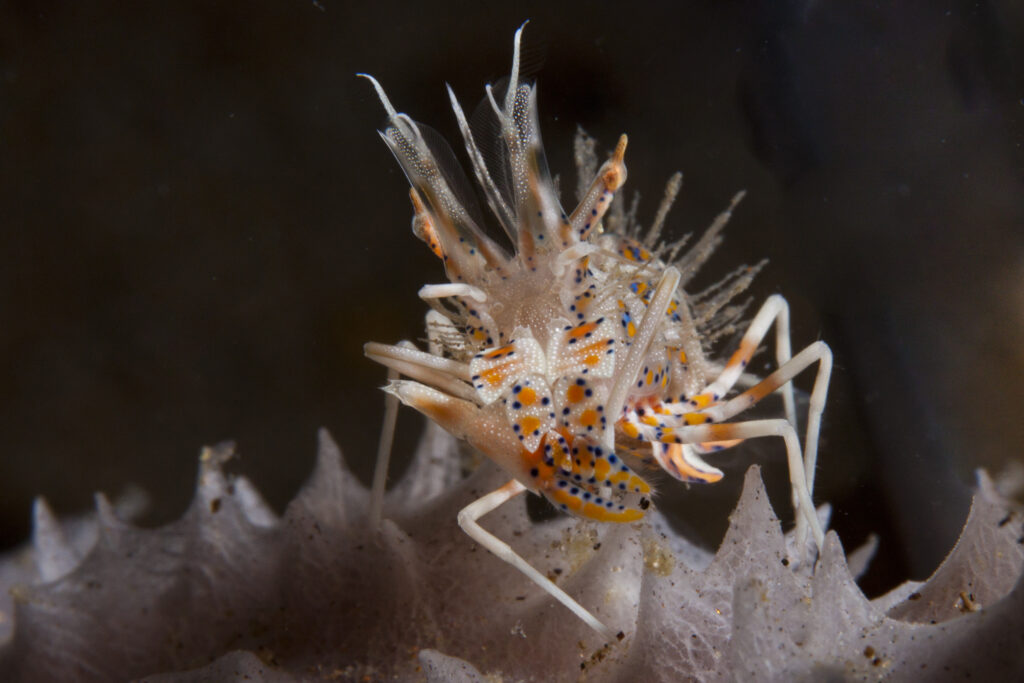
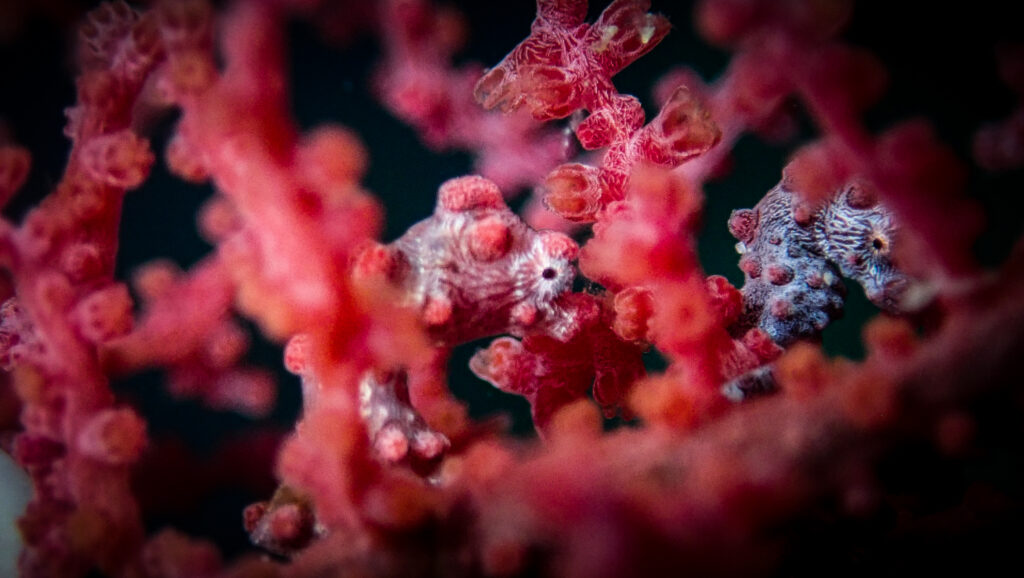
The pinnacle is covered with colourful soft corals, sea fans and sponges. Divers may find frogfish, nudibranchs, shrimp and crabs. Pygmy seahorses and harlequin shrimp may also be seen during certain seasons.
Nitrox is recommended for qualified divers.
Lapus-Lapus
Lapus-Lapus is located on the northwestern side of Malapascua, around 10 minutes from the dive centre.
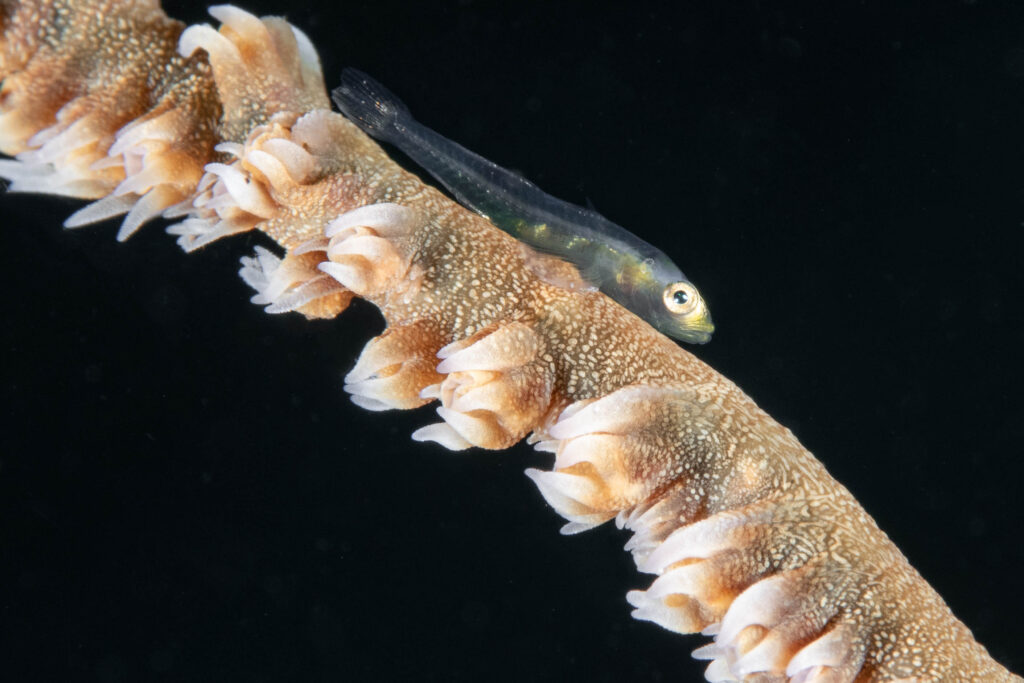
The site features beautiful rock formations, small canyons and colourful soft corals. Frogfish, lionfish, scorpionfish and nudibranchs may be found among the rocks.
Lapus-Lapus can be enjoyed by beginner and experienced divers, depending on the current and sea conditions.
Lapus II
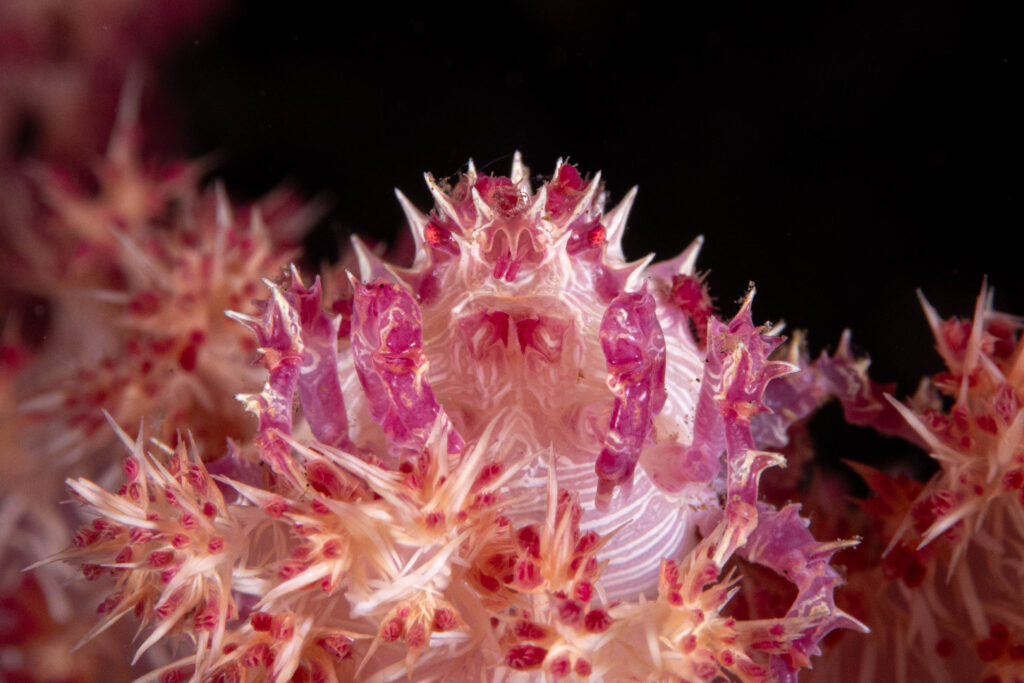
Lapus II begins with a sloping reef at approximately 12 metres before turning into a small wall.
Sea fans, black corals, sponges, leather corals and soft corals cover the reef. Butterflyfish, damselfish and anthias swim above the corals, while frogfish, nudibranchs, shrimp and crabs hide below.
Currents can range from mild to strong.
Lighthouse
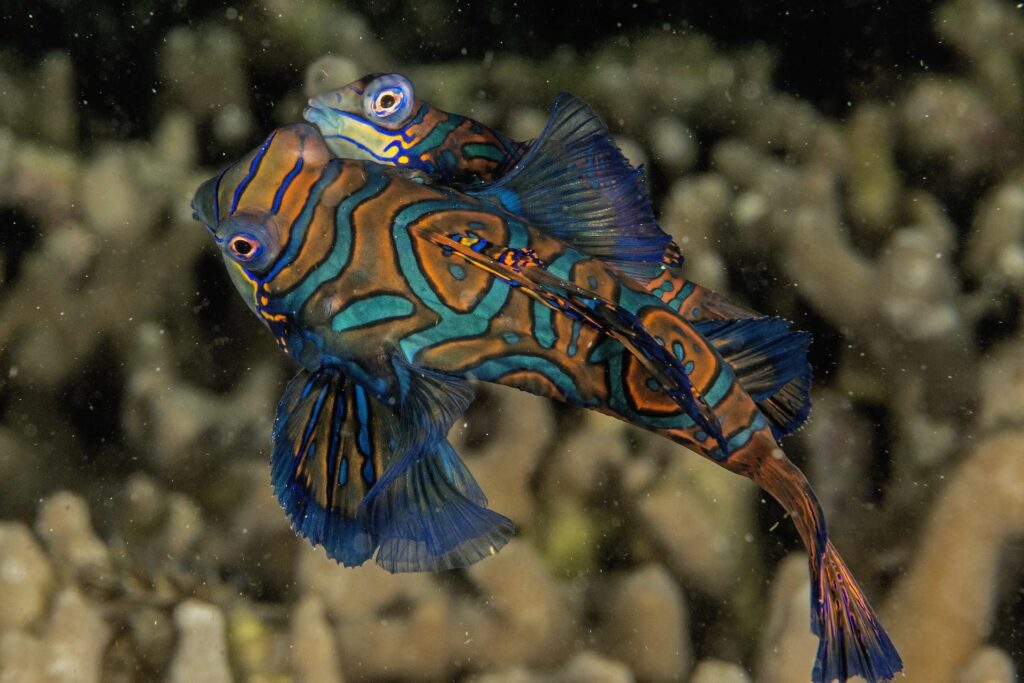
Lighthouse is one of the best-known sunset dive sites in Malapascua. It is located around 10 to 15 minutes from the dive centre.
The main attraction is the mandarinfish, which becomes active as daylight begins to fade. Divers may observe its fascinating courtship behaviour among the corals.
Seahorses, bobtail squid, shrimp, crabs, nudibranchs and other nocturnal marine life may also be seen. Blue-ringed octopuses are occasionally spotted, although sightings are not guaranteed.
Kalanggaman Island
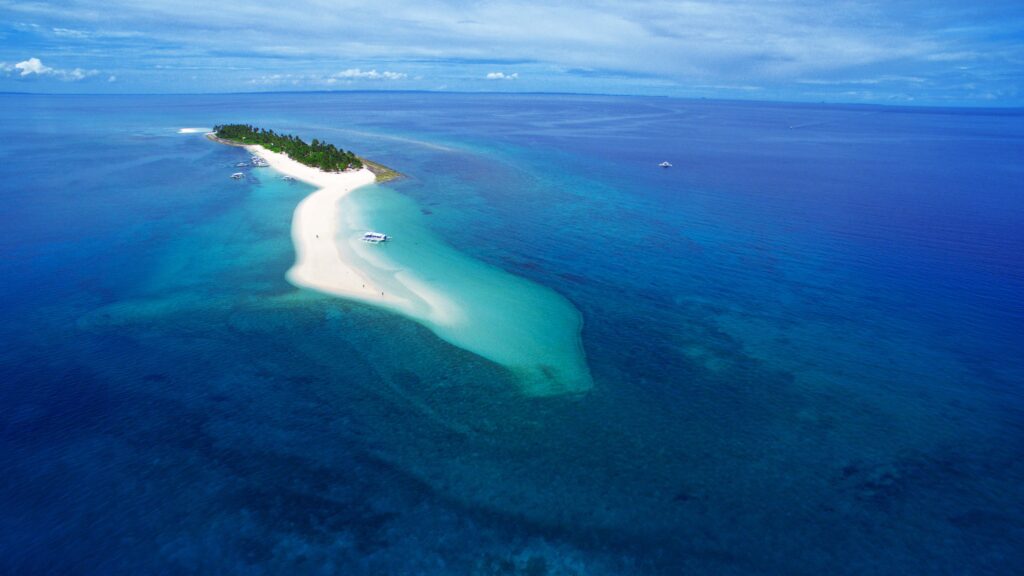
Kalanggaman Island is famous for its white sandbar and beautiful tropical scenery. It is located approximately 90 minutes by boat from Malapascua.
Underwater, divers can explore colourful reefs and walls covered with sea fans and sponges. Schools of jacks, barracuda, snapper and fusiliers may pass through the blue water.
Longnose hawkfish, pygmy seahorses and other small marine creatures may also be found among the corals.
Kalanggaman is normally offered as a full-day trip. Trips depend on weather, sea conditions, local regulations and minimum participation.
Gato Island
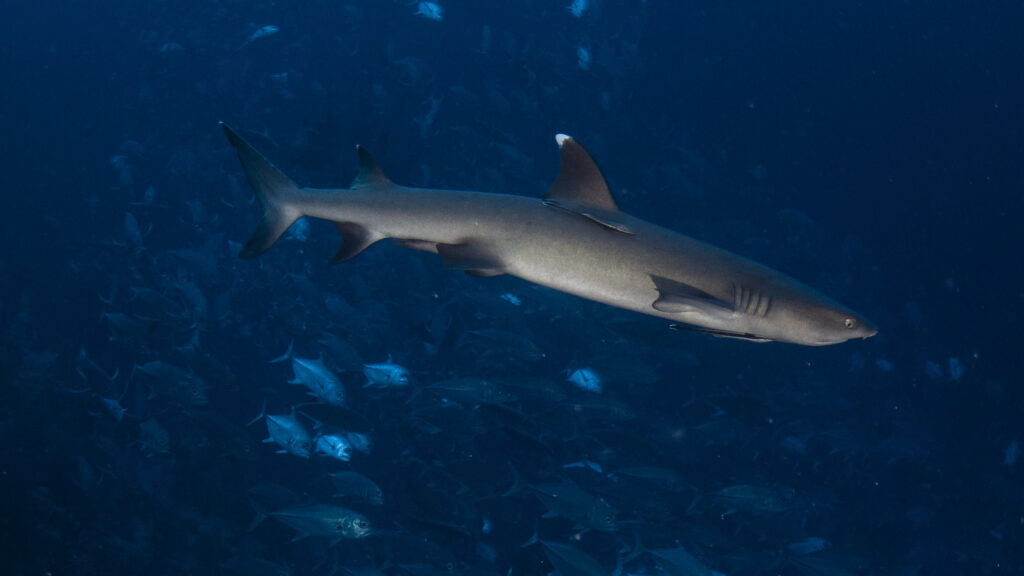
Gato Island is one of the most exciting dive destinations near Malapascua. It can be reached in approximately 45 minutes by boat.
The island is famous for banded sea kraits, whitetip reef sharks, walls, caves, overhangs and swim-throughs. Seahorses, frogfish, nudibranchs, shrimp and other macro life may also be found.
One of the best-known dives is the underwater tunnel. The tunnel is an overhead environment and may only be entered by suitably trained and experienced divers when conditions allow.
Divers who do not enter the tunnel can still enjoy excellent reef dives around the island.
Chocolate Island
Chocolate Island is located between Malapascua and the northern coast of Cebu.
The reef slopes gently towards a sandy bottom at approximately 18 metres. Soft corals, leather corals, sea fans and sponges cover much of the site.
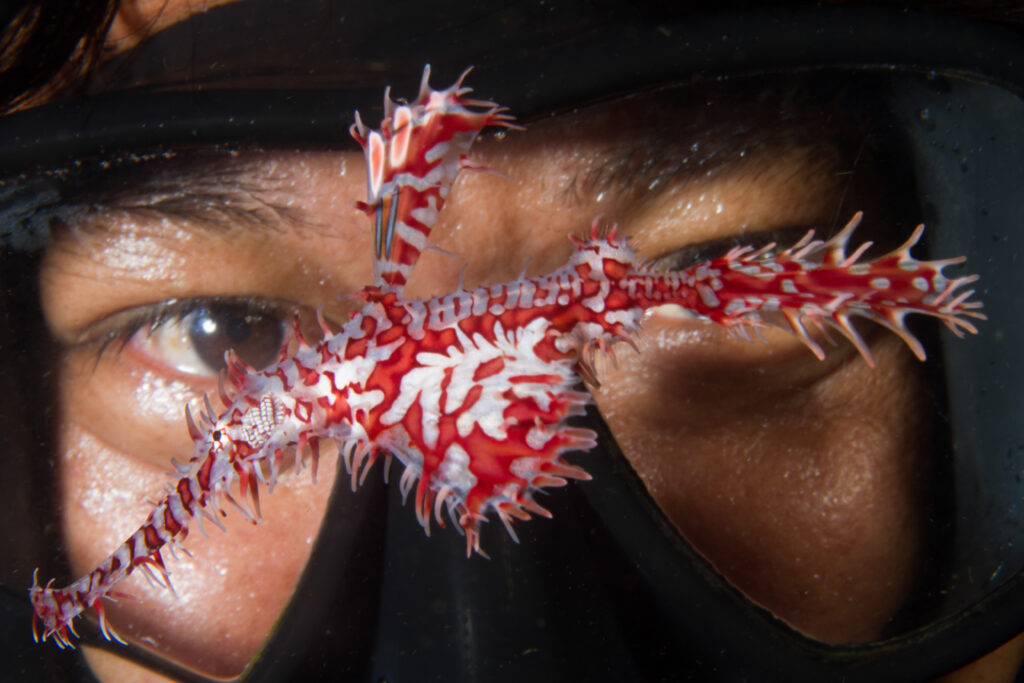
Divers may find seahorses, frogfish, pipefish, nudibranchs, shrimp, crabs and Spanish dancers. Chocolate Island is a rewarding dive site for macro lovers and underwater photographers.
Evo Reef
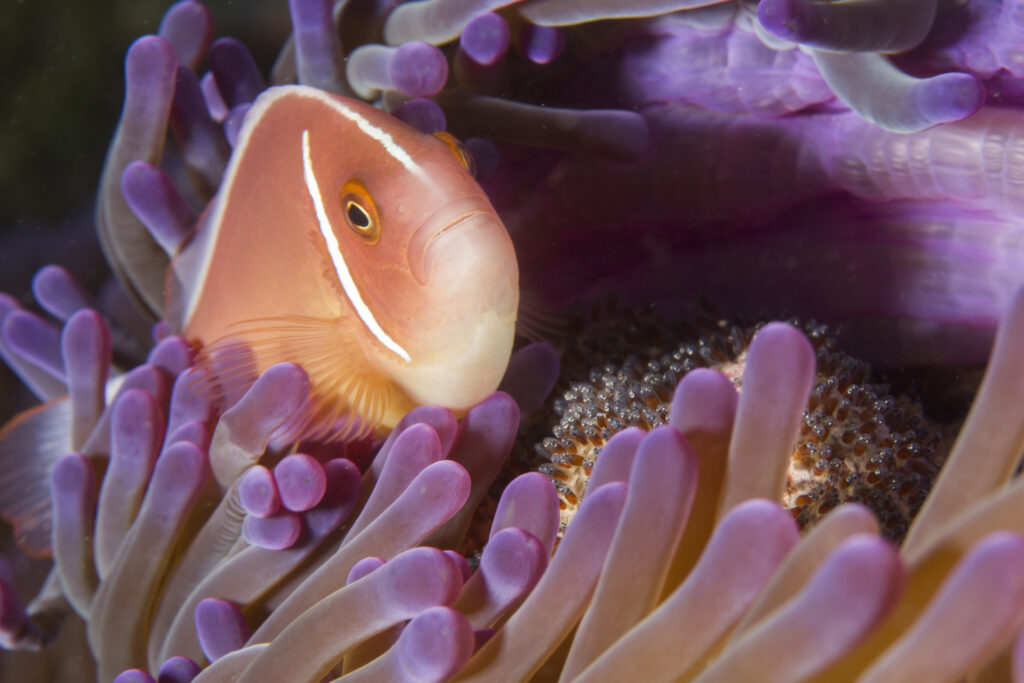
Evo Reef is a sandy and seagrass dive site filled with well-camouflaged marine life.
Frogfish, seahorses, sea moths, nudibranchs, shrimp and crabs may be found by carefully searching the bottom. Artificial structures also provide shelter for fish and smaller marine creatures.
Evo Reef is suitable for check dives, training dives and relaxed macro diving.
Deep Slope
Deep Slope offers a mixture of sand, rubble, reef and a small wall covered with soft corals.
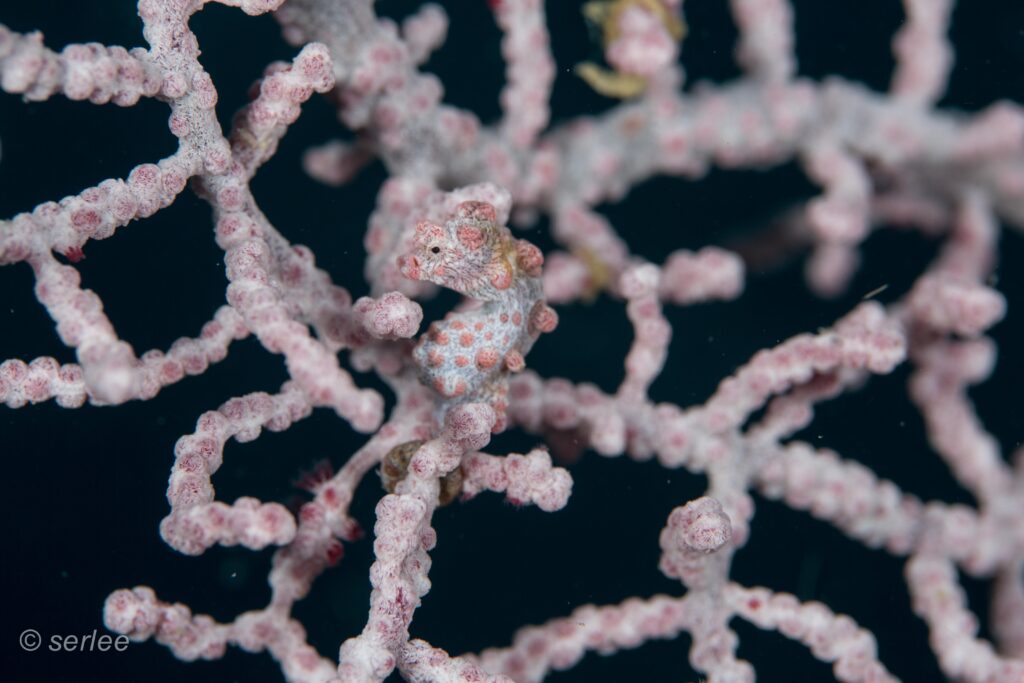
A unique underwater sand dune is home to groups of garden eels. Flamboyant cuttlefish, frogfish, pygmy seahorses and nudibranchs may also be found around the site.
Its varied underwater landscape makes Deep Slope a good choice for macro diving and underwater photography.
Lapus Pinnacle
Lapus Pinnacle is located close to Lapus-Lapus and is around 15 minutes from the dive centre.
The shallowest section begins at approximately 12 metres. It then slopes towards a small wall covered with soft corals, hard corals and sea fans.
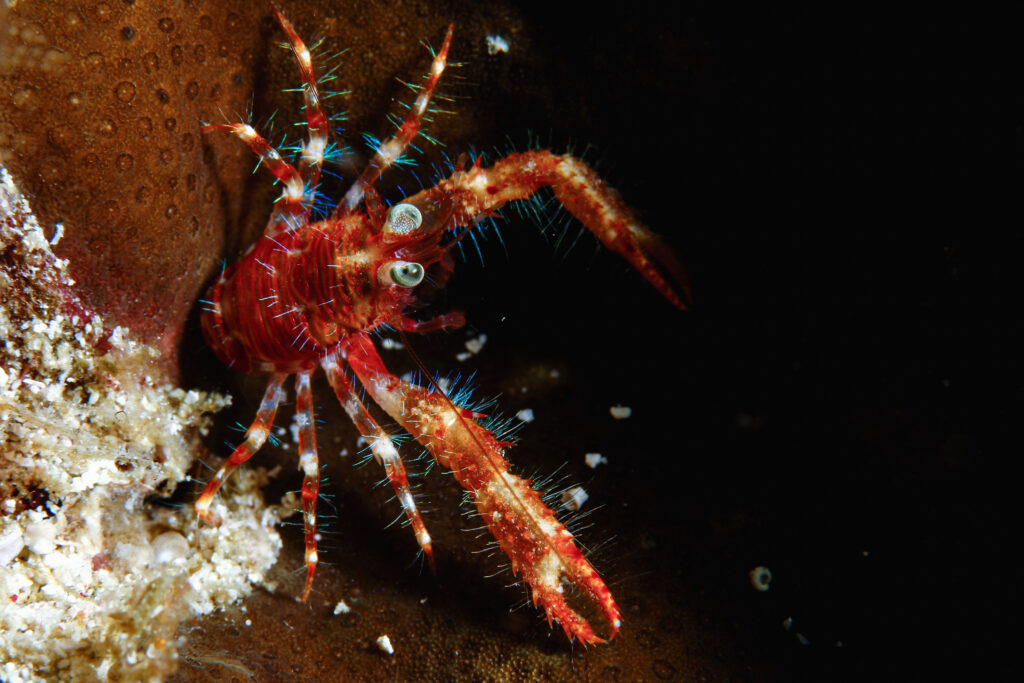
Divers may find nudibranchs, frogfish, lionfish, pipefish and other small marine creatures.
Dakit-Dakit
Dakit-Dakit is the only dive site visible directly from the Sea Explorers Malapascua dive centre.
Small rocks rise above the water, creating a beautiful setting during sunset. Below the surface, soft corals provide shelter for flatworms, nudibranchs, shrimp and small reef fish.
Schools of sardines may gather around the rocks, sometimes attracting jacks and tuna. Depending on the tide, Dakit-Dakit may be used for check dives, training dives, fun dives and night dives.
Sambawan Island Expedition
Sambawan Island is a remote diving destination located north of Malapascua.
Its underwater scenery includes slopes, sea fans, black corals and varied reef life. Turtles, groupers, sweetlips and occasional pelagic species may also be encountered.
Sambawan is not part of our regular dive schedule. However, it may be arranged as a special expedition for private groups upon request.
Trips depend on weather, sea conditions, boat availability, minimum participation and advance planning.
Maripipi Island Expedition
Maripipi is a volcanic island surrounded by dark volcanic sand and remote underwater environments.
The area offers opportunities for exploratory macro and muck diving. Divers may search for unusual and well-camouflaged marine creatures in the sandy and volcanic habitats.
Maripipi is not part of our regular diving programme. Special expeditions may be considered for experienced private groups upon request.
Trips depend on weather, logistics, boat availability, minimum participation and advance planning.
Blue Corner
Blue Corner is a shallow and protected training site located around five minutes from the dive centre.
The sandy bottom slopes gently towards a maximum depth of approximately 12 metres. Patches of seagrass may provide shelter for seahorses, pipefish and other small marine creatures.
Blue Corner is suitable for confined-water training, Discover Scuba Diving experiences and beginner courses.
Malapascua Island
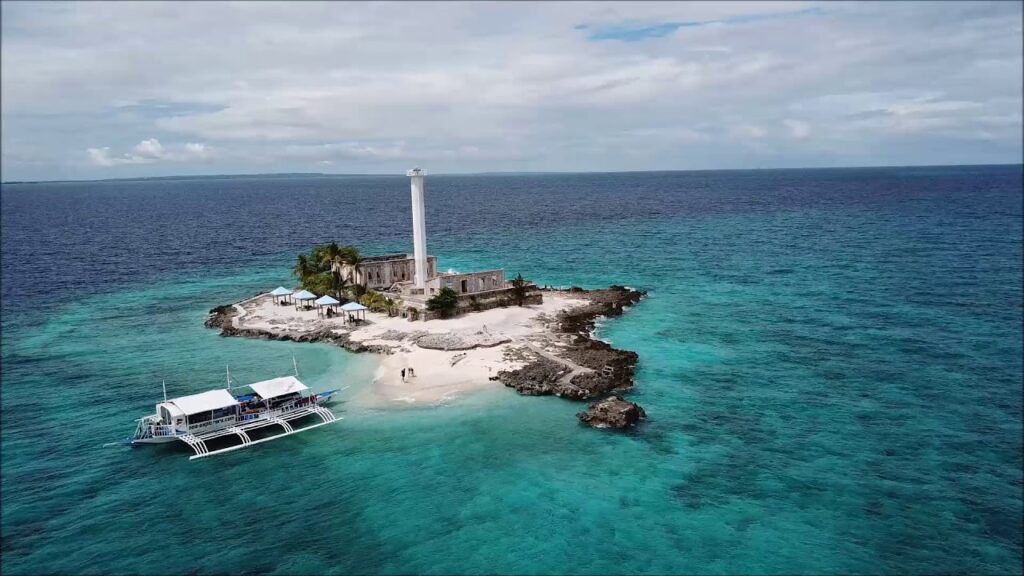
Malapascua got his name way back in time. It says that some Spaniards have been sailing through the Visayas in the year of 1520. Due to some bad weather their boat stranded on Malapascua on Christmas Day, 25th December 1520. While having a broken boat and sitting on a tropical island far away from home during a tropical storm, they called the island Mala Pascua, which literally means “Bad Christmas”. Nowadays everybody is talking about Malapascua island even though the older local people insist that their islands name is “Logon” (same name as the main village here on Malapascua).
Capitancillo
Capitancillo is a protected marine sanctuary known for its beautiful table corals and impressive reef walls.
The journey from Malapascua takes approximately 90 to 100 minutes. Schools of tropical fish can often be seen along the walls, while sea fans and sponges provide shelter for smaller marine life.
Denise’s pygmy seahorses, ghost pipefish and nudibranchs may also be found. The shallow coral garden creates a colourful setting during the safety stop.
Capitancillo trips depend on weather, sea conditions and minimum participation.
Discover Diving in Malapascua
These are only some of the featured dive sites around Malapascua. The daily diving programme depends on weather, tides, currents, marine protected area regulations and diver experience.
Marine animals are wild, so sightings can never be guaranteed.
Sea Explorers Malapascua also offers recreational training, professional development and selected PADI Instructor Development Courses.
Explore the best Malapascua dive sites with Sea Explorers Philippines and discover thresher sharks, colourful reefs, macro life and unforgettable underwater adventures.
Plan your Malapascua diving holiday and Dive with a Smile.

